The Art of Copilot Gallery
Wing I

The Prompting Foundation

Six ingredients that turn a wish into a result

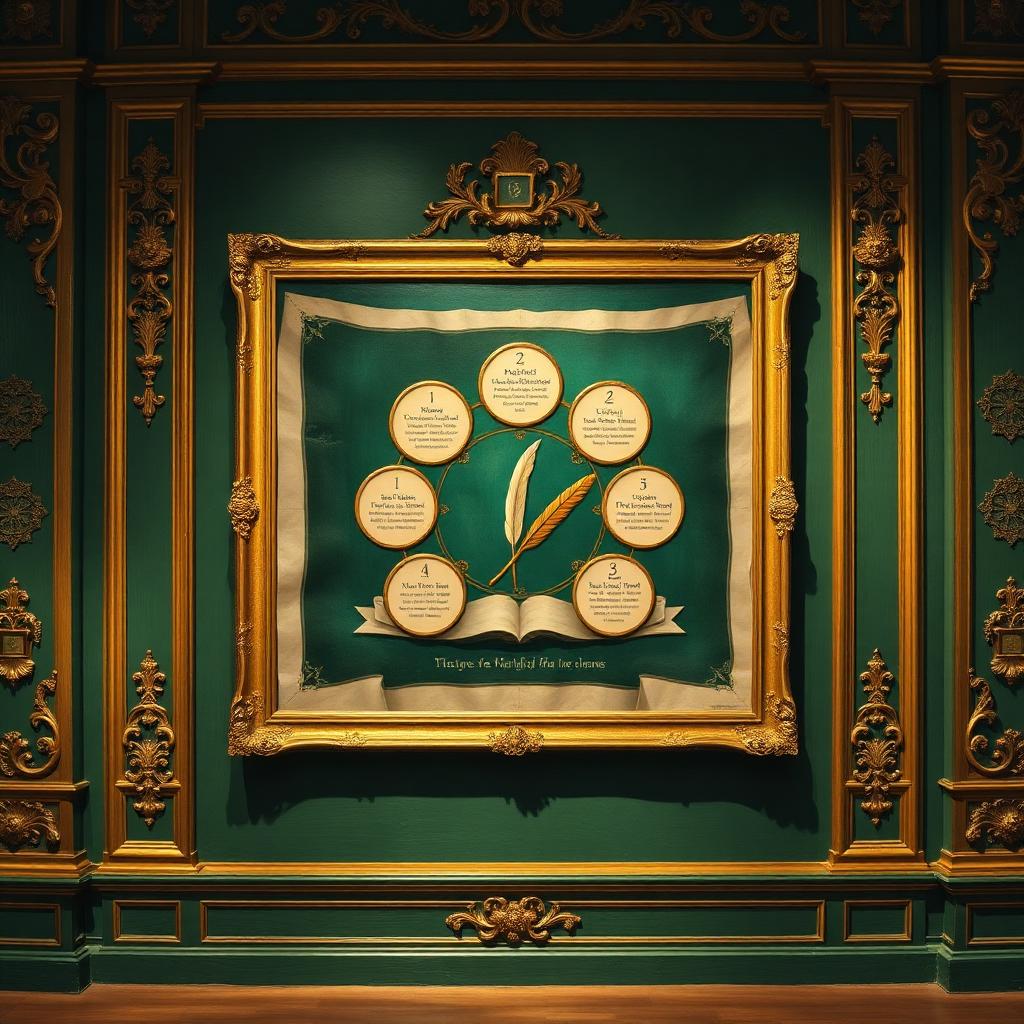
Before you walk another hall, learn the recipe. A great Copilot prompt has six ingredients: Task, Persona, Format, Audience, Tone/Style, and Context/Scope. Casual prompts get casual answers. Structured prompts get answers you can actually use. Every 'Try this' card in this gallery is written in this shape so you can feel the pattern in your bones.

Exhibit 01

Anatomy of a prompt has the six ingredients

Task = what you want done. Persona = who Copilot should behave as. Format = the shape of the output (report, summary, bullets, table, email, deck). Audience = who will read it. (Pro tip: in Copilot you can use their names) Tone/Style = how it should sound. Context/Scope = which files, dates, or boundaries to work within.

Try this — as a…

Task: draft a project status update. Persona: act as an experienced program manager. Format: one paragraph executive summary followed by a bulleted list of risks, decisions, and owners. Audience: the executive steering committee. Tone: confident, concise, no hedging. Context: use the last two weeks of Project Phoenix emails, Teams messages, and the shared status doc.

Exhibit 02

From vague to precise the same ask can be upgraded

Compare a one-liner to the six-ingredient version. The precise version tells Copilot what to do, for whom, in what shape, and with what boundaries so the first draft is usable, not just plausible.

Try this — as a…

“Vague: 'Summarize my week.' Precise: Task: summarize what happened on Project Phoenix this week. Persona: act as my chief of staff. Format: a 5-bullet recap plus a 'watch next week' section. Audience: me, for my Monday exec review. Tone: direct and outcome-focused. Context: emails, Teams chats, and meeting recaps from the last 7 days that mention Phoenix.”

Exhibit 03

Reusable patterns you can copy today

You don't have to invent the structure every time. Keep a few templates handy — a summarize pattern, a draft pattern, an analyze pattern and swap in the specifics.

Try this — as a…

Summarize pattern → Task: summarize [source]. Persona: act as [role]. Format: [executive summary + bullets]. Audience: [who reads it]. Tone: [concise / warm / formal]. Context: [time window and files]. Example filled in: summarize this week's leadership emails as my chief of staff, into a 5-bullet recap for my Monday review, in a direct tone, scoped to the last 7 days.